Rising Energy Costs: Why utility expense management matters more than ever
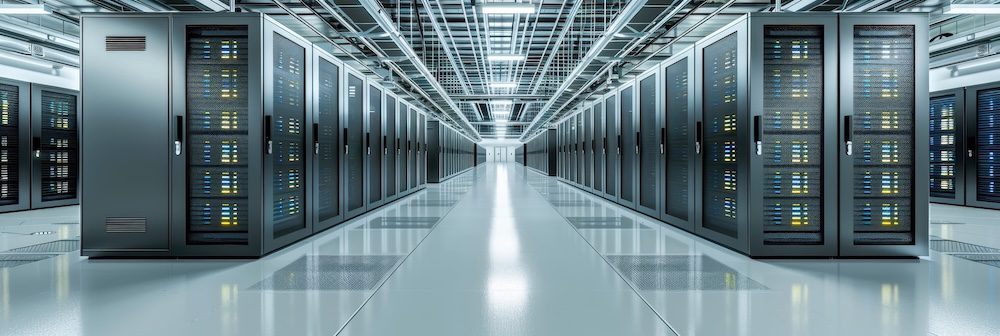
As AI data centers push electricity prices sharply higher in major U.S. power markets, organizations need better visibility, tighter controls and more accurate forecasting to protect margins and avoid surprise costs. For telecom operators, success depends on transforming utility expense management from a back-office function into a strategic priority, safeguarding operating performance, strengthening resilience and improving decision-making in the face of rising energy costs.
The new pressure on electricity costs
Monitoring Analytics, a federally mandated independent watchdog for the PJM power market covering 67 million customers across 13 U.S. states and the District of Columbia, recently reported that wholesale electricity prices rose 75.5% year over year in the region. That’s an increase from $77.78 per MWh in Q1 2025 to $136.53 per MWh in Q1 2026 . Further, they reported the impact of the increase to customers is large and irreversible. As data center demand, especially AI infrastructure, continues to increase, the impact on consumers will also increase. It’s a clear warning that utility costs will continue rising quickly, as market dynamics are changing faster than enterprise procurement and budgeting cycles.
How utility expense management can help
Utility expense management helps organizations centralize bills, validate charges, track consumption and uncover billing errors or inefficiencies before they turn into sustained overspend. In practical terms the value goes beyond just process efficiency. It gives finance, operations and procurement teams a shared view of cost drivers, enabling faster decisions, stronger governance and better alignment between cost management and business priorities. Integration of AI capabilities into these workflows, allows Utility Expense Management (UEM) teams to evolve from retrospective invoice controls to more predictive, insight-led management of utility spend.
Why utility expenses are a critical business issue
When utility prices rise, the financial impact does not stay limited to the facilities team. Higher energy costs can compress operating margins, reduce funds available for network investment and create avoidable pressures on pricing, cash flow and profitability. For large, multi-site telecom operators these effects compound quickly because small billing issues or inefficient usage patterns can scale across hundreds or thousands of locations and become a major source of cost leak.
What strong programs include
An effective UEM program includes centralized invoice processing, audit checks, rate validation, consumption analysis and recurring reporting. Increasingly, leading programs incorporate AI-driven capabilities to catch errors, improve payment accuracy and identify opportunities to reduce waste or negotiate better terms. The goal is not just paying bills on time, but to build a more controlled auditable and intelligent approach to managing total utility spend. With AI enhancing analysis and prioritization, operators can make more confident decisions about disputes, usage optimization and budget planning.
How TEOCO can help
UEM brings discipline to an area that is increasingly exposed to market volatility. As electricity demand rises and grid costs become less predictable, enterprises need a solution that helps them understand what they are spending, why they are spending it and where they can intervene. That visibility becomes especially valuable when external forces, like AI-driven demand growth, are pushing electricity costs higher.
As a trusted partner that helps telecoms manage telecom network expenses, TEOCO has expanded its industry-leading BillTrak suite to support utility expenses. SmartCOGS UtilitiesTM automates invoice processing and cost management to help telecom providers manage, validate and pay thousands of monthly utility and energy bills (electricity, gas, water, and waste) across hundreds or thousands of network, corporate and retail locations.
TEOCO’s AI-empowered UEM solution helps telecom operators process utility invoices faster, detect anomalies and billing errors earlier, forecast energy costs more accurately and surface optimization opportunities across large site portfolios. By combining automation with enhanced analytics, operators can reduce manual effort, improve payment accuracy and make more proactive decisions about usage, vendor disputes and budget planning. As AI capabilities continue to mature, they will help telecom providers to shift from reactive bill management to more predictive, strategic control of their utility spend.
Turning rising energy costs into a catalyst for better control
In today’s economy, utility costs are no longer static overhead; they are an important input being shaped by infrastructure strain, market design and demand shocks. Companies that treat UEM as a strategic capability rather than an administrative necessity will be better positioned to protect their margins, strengthen governance and build operational resilience in an increasingly volatile energy environment. For telecom operators in particular, the next frontier is clear: combining disciplined UEM with AI-enabled insights will create smarter, faster and more confident controls over a growing source of operational risk.
Want to learn how you can take control of your rising utility expenses? Contact us