Rising energy costs are squeezing telco margins: How utility expense management helps operators take control
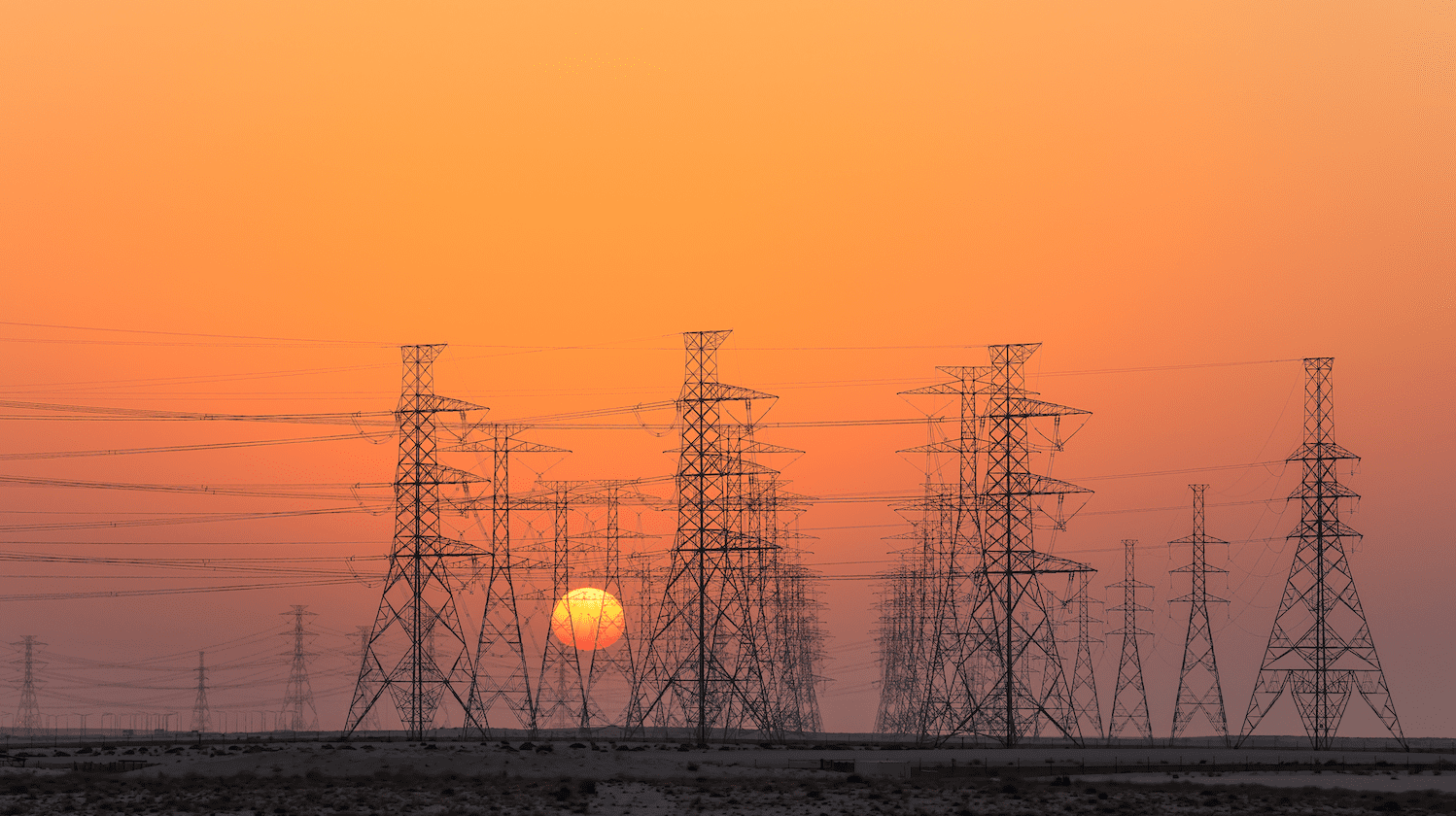
The recent rise in fuel prices has certainly captured the world’s attention. But, for telecom operators the costs of diesel and electricity are not just expense items, they are foundational inputs for keeping networks, data centers and field operations running. When energy markets become volatile, even modest price increases can ripple through operating expenses (OpEx) and pressure margins. That’s why operators are increasingly looking for practical, near-term ways to improve visibility, governance and savings across utility spending, without waiting years for network modernization programs to pay back.
What the telecom market is signaling: energy volatility is back
Energy costs account for a meaningful share of OpEx. Fierce Telecom recently reported several striking benchmarks.1 MTN Consulting estimates that average energy spend is about 4–5% of OpEx, with some operators spending more than 10%. GSMA Intelligence has cited even higher levels, ranging from 15–20% of OpEx.2
Grid power is becoming a growing long-term exposure for telecom operators. While diesel mainly affects fleets and backup generation, regulated utility rates and fuel-cost pass-through mechanisms are steadily pushing electricity costs higher over time.
While operators are increasingly using renewable energy and self-generation to reduce their exposure to these pressures, 70-77% of power still comes from the grid.3 According to MTN Consulting and GSMA, telecoms used about 340.6 TWh, up from 330.5 TWh in 2023.4
Why utility expense management matters right now
For most operators, utility spend is distributed across thousands of network and facility locations. They are managing multiple energy providers containing a mix of grid power and backup power generation. In that environment, rising tariffs don’t just increase costs, they amplify longstanding challenges: fragmented invoicing, inconsistent account structures, manual approvals, limited site-level attribution and difficulty proving whether bills match contracts, meter reads and actual site inventories.
For operators, the fastest cost-saving wins will come from tightening control over expense they are currently incurring by improving accuracy, catching leakage, accelerating dispute recovery and creating reliable visibility for energy governance and procurement decisions.
How TEOCO can help
TEOCO SmartCOGSTM Utility Expense Management is built to provide telecom operators with a controlled, auditable and insight-driven solution for processing utility invoices and managing utility expense. Leveraging TEOCO’s BillTrak™ platform, it standardizes data capture and extraction, automates routine checks, connects invoices to locations and assets and reduces manual effort, while identifying avoidable cost drivers and delivering actionable reporting.
- Centralize and normalize invoices across providers and geographies: Consolidate utility bills and related data into a consistent structure, making it easier to manage different invoice formats, account hierarchies and billing cycles at scale.
- Validate charges and improve billing accuracy: Apply automated checks to highlight exceptions such as unexpected rate changes, duplicate charges or out-of-policy fees, enabling teams to prioritize auditing high-value dispute opportunities.
- Link utility spend to site and service inventories: Align accounts and meters to network locations and facilities to improve accountability and ensure you’re paying for what’s actually deployed and in service.
- Streamline approvals and dispute workflows: Reduce reliance on email and spreadsheets with structured routing, audit trails and faster cycle times from receipt to approval to payment (and from exception to resolution).
- Allocate costs with confidence: Support consistent cost allocation across business units, technologies, cost centers and vendors, and deliver clearer reporting and better internal chargebacks.
- Build better visibility for energy governance: Produce repeatable reporting that helps finance, network and procurement teams understand energy consumption trends, identify hotspots and track the impact of initiatives such as tariff negotiations, energy efficiency programs and renewable sourcing.
Turning volatility into a catalyst for better control
Energy volatility is forcing faster action across the industry, whether that’s accelerating renewables, optimizing network operations or tightening financial governance. Utility expense management is a foundational step. It helps operators create the visibility and process discipline needed to manage today’s rising costs while supporting longer-term energy strategy decisions.
Want to learn how you can take control of your rising utility expenses? Contact us
- www.fierce-network.com/wireless/rising-energy-prices-could-spell-trouble-telcos
- www.gsmaintelligence.com/blogs/green-networks-part-of-the-fabric-but-still-not-everywhere
- www.mtn-c.com/product/another-oil-crisis-pushes-telcos-to-renewable-energy
- www.mtn-c.com/product/energy-sustainability-tracker-telcos-2025